
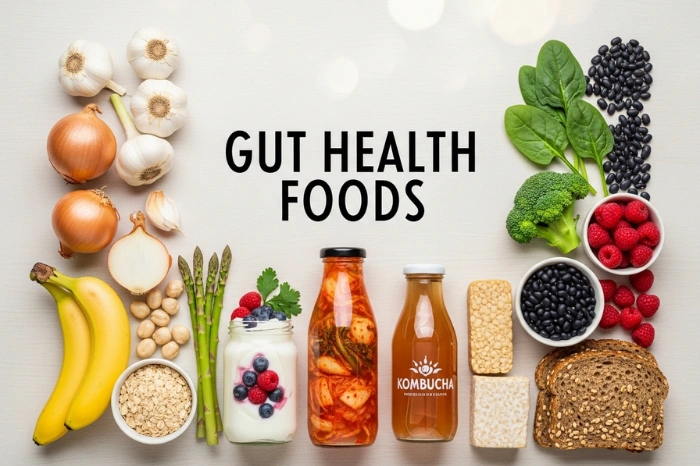

When it comes to what we eat, many of you simply ignore healthy food choices and fill your plates with items that satisfy your taste buds. Right? Choosing taste over nutrition feels good in the moment, but a habit of doing it regularly can quietly harm your gut health, immune system, and digestion. That’s where the importance of gut health foods becomes impossible to ignore, to live a healthy and balanced life.
Gut health foods include food items that promise a healthy gut, normal metabolism regulation, and prolonged health over disease. These include a diet that includes dietary fiber, fermented foods, probiotic foods and prebiotic foods, keeping you energized, light, and functioning at its best.
You must not overlook your gut health. After all, it plays a crucial role in how your body functions regularly. If you’re wondering whether your current diet supports your gut or not, this guide will help you understand everything you need to know. It describes insights into foods that improve gut health, foods that reduce stomach inflammation, and foods that feed good gut bacteria.
Table of Contents
Why is it important to have a good gut health?
You must not know, but our body mechanism contains bacteria that maintain the overall balance in the digestive tract. These microorganisms make up your overall gut health, break down food, absorb nutrients, and support overall well-being.
The importance of good gut health lies in the fact that it impacts how our body performs daily. A healthy gut refers to a well-balanced microbiome, while an unhealthy gut causes severe health problems, such as bloating, low energy, and various digestive tract issues.
How do you know your gut health is bad?
You cannot randomly check your gut health as you do when you have a fever. Several signs make you alarmed about how your gut is doing. You must consider these triggers and work accordingly to ensure a smooth working gut. Here are the most prominent signs:
- Frequent Bloating
- Constipation or diarrhea
- Fatigue
- Skin issues, such as acne, breakouts, and bumpy skin
- Gas
- Heartburn
- Weight Changes
- Sleep Disturbance
Best Foods for Good Gut Health
When you are on your road to maintaining good gut health, choosing the right food is essential. A balanced diet is not always the one that keeps your body in shape; instead, it is the one that ensures a healthy gut. When it comes to choosing the best foods for good health, here are a few prominent nutrient categories you can add to your diet.
Prebiotic Foods
These are edible categories and include foods that feed good gut bacteria. Not only that, but prebiotics also support bacterial growth and help them thrive. Here is a prebiotic food list for a well-maintained gut.
Garlic: Garlic is rich in antimicrobial and anti-inflammatory compounds, supporting the growth of healthy gut bacteria, improving immunity, and strengthening the intestinal barrier.
Onions: Onions are powerhouses of antioxidants. The vegetable boosts short chain fatty acids (SCFAs), aids digestion, reduces inflammation, protects gut lining, and promotes regular bowel movements.
Bananas: Bananas contain fiber-rich components that promote digestion, aid cholesterol regulation, and bowel normalisation. In addition, bananas manage issues such as acid reflux or heartburn due to their antacid properties.
Oats: Oats contain potent prebiotic work to promote a thriving microbiome. These fibrous nutrients are one of the foods to improve digestion, promote gut lining health, reduce inflammation, and ease bloating.
Probiotic Foods
Probiotics are live bacteria that work to restore and maintain a healthy balance in your gut biome. When you add nutritious ingredients to your diet that contain probiotics, it improves digestion and strengthens the immune system. Here is a probiotic foods list:
Yogurt: Yogurt is considered among the foods rich in lactobacillus, an accessible source of probiotics. It has the power to improve digestion, reduce bloating, and is one of the foods that reduce stomach inflammation.
Kefir: A probiotic powerhouse – fermented milk drink that readily aids digestion, treats constipation, and diarrhea.
Kimchi: A rich source of probiotics that offers healthy microbiome diversity. Kimchi is a spicy fermented vegetable dish that improves digestion, manages weight, and aids constipation and inflammation.
Sauerkraut: Fermented cabbage rich in natural probiotics in food and digestive enzymes, enhancing nutrient absorption and immune system support.
Fiber-rich Foods
As you know, your intestinal health greatly depends on how good your gut is. That is why taking good care of it must be your priority. After learning the contribution of prebiotics and probiotics foods for gut health, it is time to know the significance of fiber-rich foods. Fibrous foods are always a game-changer for a healthy balance of gut bacteria. Here are a few fibrous food options to add to your day or night meal.
Whole grains: Whole grains count as the most accessible gut-friendly foods. Besides supporting better digestion, fibre, antioxidants, and micronutrients in whole grains promote bacterial growth, help treat constipation, gut barrier, and bloating.
Lentils: Lentils include a high fibre, plant-based protein, and antioxidant-rich composition. Lentils promote gut health, reduce the chances of colon cancer, and promote regular bowel movements. These nutrients also ensure gut inflammation reduction,
Apples: Apples are known for containing pectin, a variety of fiber that is excellent for gut health. The fruit inhibits the growth of harmful bacteria while reducing constipation, mitigating the chances of obesity, diabetes, and heart disease, and improving digestion.
Broccoli: Broccoli, being a nutrient-dense vegetable, is among the fiber rich foods for gut health. It nourishes and supports digestion, helps with inflammation, strengthens the intestinal barrier, prevent constipation.
Best Fermented Foods for Good Health
Fermented foods play a crucial role in gut health, improving bacteria biome diversity and enhancing nutrient absorption. Here are a few fermented food options for prolonged metabolic health.
Pickles: Pickles, specifically non-vinegar, greatly contribute to gut health maintenance. On the contrary, refrigerated, unpasteurized, salt-brined pickles aid digestion, treat irregular bowel movements, and reduce bloating.
Kombucha: Also known as a low-calorie alternative to soda, known for its probiotic benefits. The fermented tea treats issues during digestion, improves stool consistency, and promotes better gut health.
Miso: A Japanese paste, a mix of soybeans, barley, or rice, helps maintain gut microbiota, digestion, nutrient absorption, and strengthens immune functions.
Over to You
You must strictly pay attention to what food your gut and body happily accept and what it cannot tolerate. Doing so, you will ensure your gut health, and, in return, overall better well-being. While a diet plan for a healthy gut cannot be the same for everyone, even then, the above guide contains practical, accessible, and common nutrients to maintain your gut. Read it thoroughly and start making mindful choices today to maintain a healthy diet, a balanced gut, and well-regulated body metabolism for the long run.
FAQs
How to restore gut bacteria after antibiotics?
You must include probiotic, prebiotic, and dietary foods in your diet to restore gut bacteria after antibiotics are taken. At this moment, do not forget to stay hydrated and avoid fried items for a balanced gut.
How long does it take to improve gut health?
It takes a few weeks to improve your gut health. However, the time is considered practical only if you stay consistent with healthy eating.
How to clean a gut naturally?
The natural way to clean your gut includes drinking lukewarm water mixed with non-iodised salt. However, practice this routine on an empty stomach.